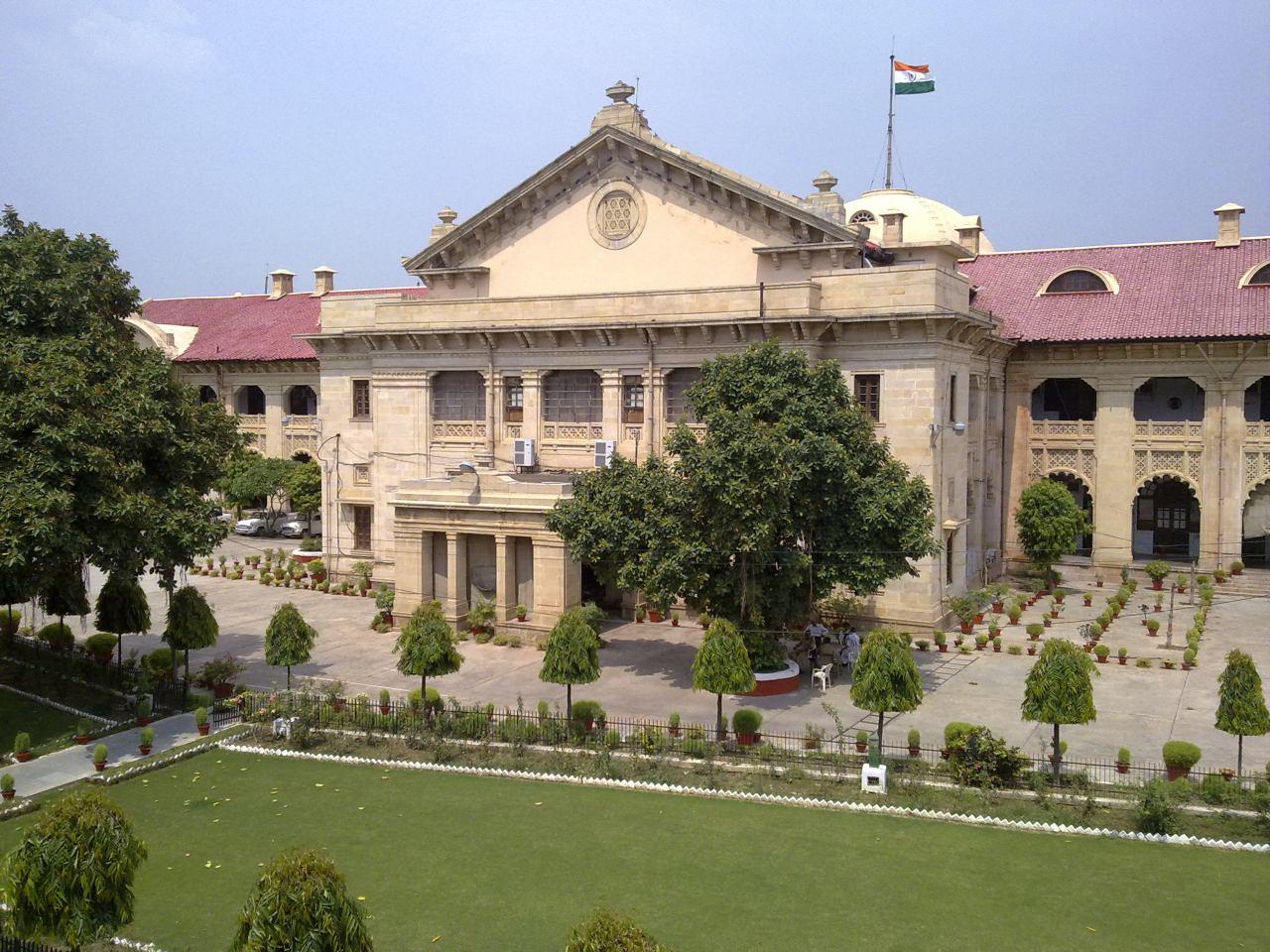
Service disputes often involve issues that directly affect a person's career, livelihood, and reputation. Whether it is an unlawful transfer, disciplinary action, denial of promotion, wrongful termination, or disputes relating to pension and retirement benefits, approaching the High Court through a writ petition is a common legal remedy.
However, filing a writ petition is not simply about presenting a grievance before the court. Procedural compliance plays an equally important role. Even where a petitioner has a strong case on merits, avoidable procedural mistakes can delay proceedings or, in some situations, result in dismissal at the threshold.
Understanding these common errors can help both employees and employers prepare better and ensure that the court is able to examine the dispute on its merits rather than on technical grounds.
Understanding Writ Petitions in Service Matters
Under Article 226 of the Constitution of India, High Courts have the power to issue writs for the enforcement of fundamental rights and for any other legal right. This jurisdiction is frequently invoked in service matters involving government employees, public authorities, statutory bodies, universities, public sector undertakings, and other organisations performing public functions.
Not every employment dispute qualifies for a writ petition. Generally, disputes involving purely private employment contracts are resolved through contractual remedies or labour laws, unless exceptional circumstances justify invoking the High Court's writ jurisdiction.
Since writ jurisdiction is discretionary, courts expect litigants to approach them with complete facts, proper documentation, and adherence to procedural requirements.
Filing Without Exhausting Available Remedies
One of the most common mistakes is approaching the High Court without first using the remedies available under applicable service rules or statutes.
Many service regulations provide for departmental appeals, review petitions, or representation before higher authorities. While there are recognised exceptions, particularly where principles of natural justice have been violated or the order is completely without jurisdiction, courts generally expect parties to exhaust these remedies before filing a writ petition.
Ignoring this step often results in the court directing the petitioner to first pursue the available statutory remedy.
Delay in Approaching the Court
Unlike ordinary civil suits, writ petitions do not have a fixed limitation period. That does not mean they can be filed at any time.
High Courts apply the principle of delay and laches, which means that an unreasonable delay may itself become a ground for refusing relief. A petitioner who waits for months or years without a convincing explanation may find it difficult to persuade the court to exercise its discretionary jurisdiction.
If there has been a delay, the petition should clearly explain the reasons and demonstrate why the court should still consider the matter.
Failure to Place Complete Facts Before the Court
A writ petition must present the complete factual background. Selectively disclosing facts or omitting material information can seriously weaken the petition.
Common omissions include:
- Previous representations made to the department
- Earlier litigation involving the same dispute
- Relevant departmental orders
- Internal correspondence
- Pending proceedings before another forum
High Courts expect parties to approach them with clean hands. Suppression of material facts can adversely affect the credibility of the petitioner and, in appropriate cases, may even lead to dismissal.
Inadequate Supporting Documents
Documents form the backbone of a service writ petition. Courts rely heavily on the documentary record while examining administrative decisions.
Petitions often suffer because important documents are either missing or improperly arranged. These may include appointment letters, service records, promotion orders, charge sheets, inquiry reports, transfer orders, representations, departmental replies, or relevant government notifications.
Every document referred to in the petition should be properly annexed, numbered, and clearly identified. An organised record allows the court to understand the dispute without unnecessary confusion.
Incorrect Identification of Respondents
Another procedural error is failing to implead the correct parties.
In service matters, the respondents generally include the employer, the competent authority that passed the impugned order, and, where necessary, authorities responsible for implementing any future directions of the court.
Leaving out a necessary party may complicate the proceedings and could require amendments later, resulting in avoidable delays.
Before filing, it is important to identify every authority whose decision is under challenge or whose presence is necessary for effective adjudication.
Vague or Poorly Drafted Grounds
A writ petition should explain why the challenged action is legally unsustainable.
Instead of making broad allegations that an order is unfair or arbitrary, the petition should identify the precise legal grounds. These may include violation of statutory service rules, breach of principles of natural justice, lack of jurisdiction, procedural irregularities, discrimination, or arbitrary exercise of administrative power.
Clear legal reasoning helps the court understand the real controversy and enables respondents to answer the allegations effectively.
Seeking Relief Beyond the Court's Jurisdiction
Sometimes petitions seek relief that the High Court may not ordinarily grant under its writ jurisdiction.
For example, asking the court to reassess factual findings from a departmental inquiry, conduct a detailed examination of evidence, or resolve disputed questions requiring extensive oral testimony may not always be appropriate in writ proceedings.
The relief sought should be consistent with the scope of judicial review under Article 226. Carefully framing the prayer clause is therefore just as important as drafting the grounds.
Ignoring Interim Relief Requirements
Many service disputes require urgent intervention.
A suspension order, transfer, retirement decision, or termination may have immediate consequences for the employee. If interim protection is genuinely required, the petition should specifically explain the urgency, the potential harm that may arise, and the reasons why immediate relief is justified.
Merely including a request for interim relief without supporting facts often reduces the likelihood of obtaining urgent protection.
Poor Compliance with Court Rules
Every High Court has its own procedural rules governing writ petitions. These cover aspects such as formatting, affidavits, annexures, indexing, court fees, filing requirements, and verification.
Even minor defects can lead to objections from the registry, requiring corrections before the matter is listed before the court.
Careful compliance with the applicable High Court Rules helps avoid unnecessary procedural delays and ensures smoother processing of the petition.
Overlooking Alternative Forums
Not every service dispute belongs before the High Court.
Certain matters fall within the jurisdiction of specialised tribunals, such as the Central Administrative Tribunal (CAT) or State Administrative Tribunals where applicable. Filing a writ petition directly before the High Court without considering the appropriate forum may result in dismissal on jurisdictional grounds.
Determining the correct forum at the outset can save considerable time and expense.
Conclusion
A well-founded service dispute can still face obstacles if procedural requirements are overlooked. Filing a writ petition involves much more than identifying an unfair administrative action. It requires careful preparation, complete documentation, proper identification of parties, compliance with court rules, and a clear understanding of the scope of judicial review.
By avoiding common procedural errors, litigants improve the chances of having their grievances examined on their merits rather than being delayed by technical deficiencies. For lawyers and litigants alike, attention to procedure is not merely a formality. It is an essential part of effective legal strategy in service matters.